Soft Mechanics Lab (SML)
Soft matter encompasses a broad class of materials—from synthetic systems like liquid crystals and polymers to living matter such as cells and biological tissues. A defining characteristic of soft matter is its capacity for large deformations and pronounced mechanical responses under external stimuli. This property is central not only to material science but also to biology, where fundamental processes like embryonic development and pathologies such as cancer involve large-scale tissue flow, deformation, and three-dimensional morphogenesis. At the Soft Mechanics Lab, we integrate theoretical modeling, numerical simulations, and quantitative experiments to uncover the morpho-mechanics of soft matter. Our research focuses on two interrelated frontiers:
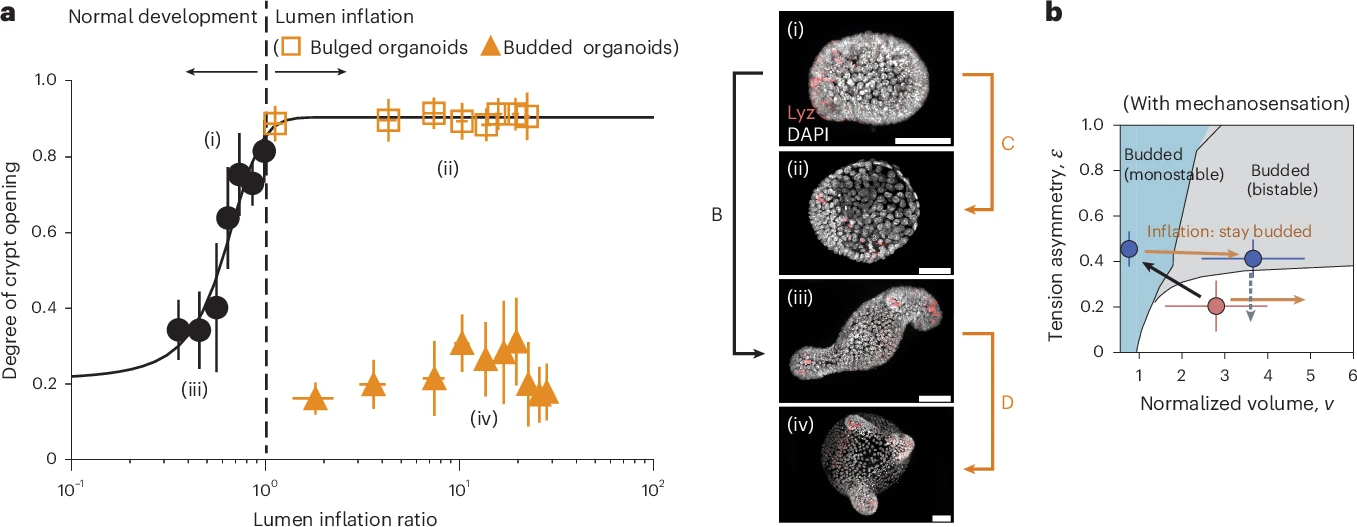
- Morphogenesis of biological tissues: how tissue shape is sculpted via mechanochemical coupling, stress-modulated growth and remodeling, nematic order and topological defects.
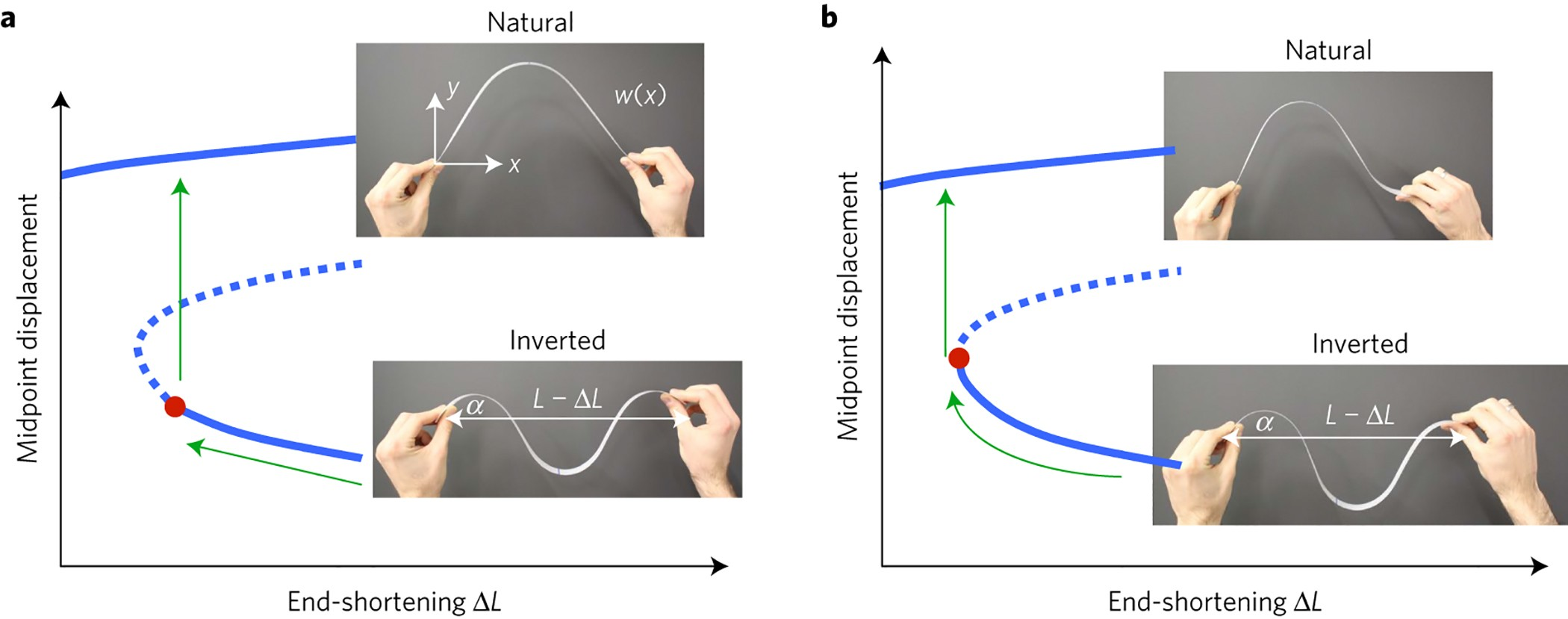
- Pattern formation of soft materials: how soft materials and elastic structures spontaneously form regular and irregular surface patterns via elastic instability, phase transition and multi-physical coupling mechanisms.
Our research seeks to decipher the mechanobiological principles that guide tissue development and regeneration. This knowledge is pivotal for engineering next-generation biological constructs and inspiring novel, life-like actuators for soft robotics.
Pattern formation of soft materials
- Elastic instability
- Phase transition
- Multi-physical coupling mechanisms